
Halaman Utama | Seluruh Produk Pengetahuan | Striving to Thrive
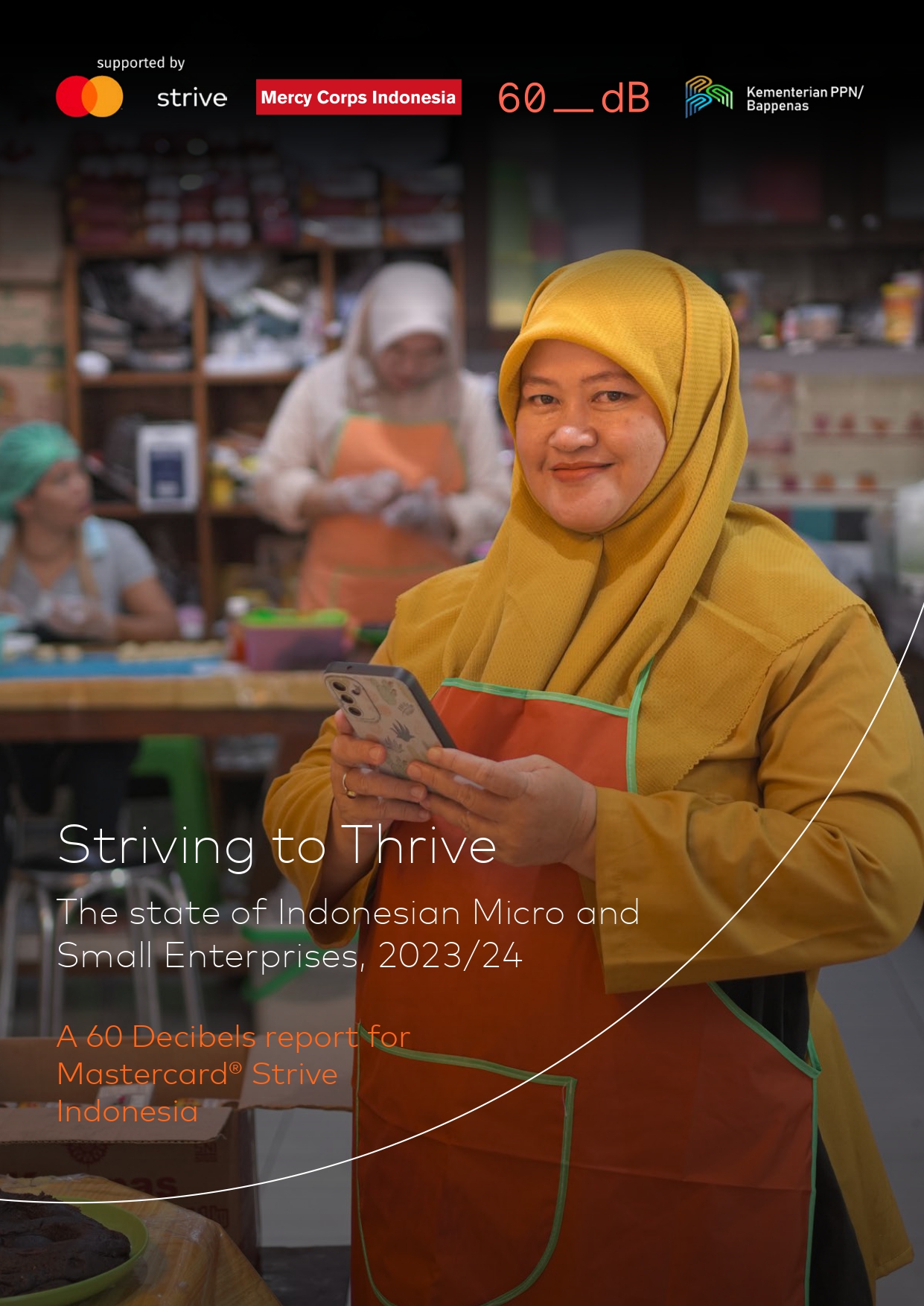

Striving to Thrive
Government/Regulator ● Develop Clear Green MSME Standards and Regulations: Establish uniform, sector-specific criteria for green MSMEs, leveraging existing frameworks such as RPJPN, OJK’s green taxonomy, and ASEAN guidelines. These standards should guide MSMEs in transitioning to green practices and encourage sustainability throughout their value chains. ● Provide Financial Incentives and Support: Create pathways for affordable financing through sustainable finance taxonomies, low-interest loans, and market-based instruments like sustainability-linked bonds. Government-backed programs should also include disaster and climate change resilience as safety nets for MSMEs. ● Facilitate Integration into Global Value Chains (GVCs): Promote MSME participation in GVCs by supporting digital literacy, eco-labelling, and eco-design certifications. Encourage the use of green technologies developed in collaboration with universities and ensure MSMEs can access these technologies affordably. Private Sector ● Collaborate with MSMEs for Green Practices: Large companies should engage MSMEs in green initiatives through capacity building, supply chain support, and co-branded sustainability efforts. Case studies like GRAB demonstrate the benefits of collaboration on eco-friendly logistics and product offerings. ● Invest in Sustainable MSME Development: Private companies should offer tailored financial services for MSMEs, such as partnerships with fintech firms to create scalable and user-friendly products. Encourage innovation in green technologies and processes, and work to provide access to these for MSMEs. ● Promote Green Consumerism: Lead initiatives to increase demand for green products by offering incentives (e.g., cashback or loyalty programs) to customers who choose sustainable options. Raising awareness of green products will help MSMEs remain profitable and attract investors. MSME Enablers (Nonprofits/Research/Community Organizations) ● Provide Capacity Building and Peer Learning Platforms: Establish both online and offline platforms for MSMEs to learn about incorporating green practices into their operations, as well as climate change resilience. Create spaces for peer-to-peer learning and showcase success stories like Du Anyam’s eco-tourism and GRAB’s green fleet initiative. ● Facilitate Local Value Loop Development: Support the development of circular economies within local communities by promoting the production, reuse, and recycling of materials. Help MSMEs build self-sufficient supply chains and create sustainable, community-driven business models. ● Support Green Technology Access: Partner with universities and tech developers to provide affordable green technology solutions to MSMEs. Assist MSMEs with implementing and maintaining these technologies, ensuring they can integrate them effectively into their business operations.